
Heart racing, palms sweating, and a sudden urge to turn around and walk right back out the door. If this scenario sounds familiar, you are far from alone. Millions of people experience genuine fear or uneasiness at the thought of sitting in a dental chair. Dental fear is not a minor inconvenience or something you can simply snap out of; it is a very real psychological hurdle that causes many individuals to postpone or completely avoid necessary care for years at a time.
When fear keeps you from getting checkups or treatment, small issues like minor cavities or subtle gum irritation can turn into major, complex problems. The good news is that dentistry has evolved dramatically over the past few decades.
A new focus on patient comfort, gentle communication, and tailored support means you can take care of your oral health without feeling overwhelmed. Finding a compassionate dentist who truly understands your anxiety is the single most important step in turning your healthcare experience around.
Understanding the Root Causes of Dental Fear
To move forward, it helps to understand why sitting in that chair causes so much tension. Dental anxiety rarely pops up without a reason, and recognizing your specific triggers makes it much easier to communicate your needs to a care team.
Painful Past Experiences
For many people, anxiety stems from a bad experience during childhood or adolescence. A rough procedure, an unfeeling practitioner, or ineffective numbing in the past can leave lasting mental scars. Your brain naturally remembers that discomfort and tries to protect you by triggering a stress response every time you step near a clinical environment.
Loss of Control and Vulnerability
Lying back in a treatment chair while someone works inside your mouth can make you feel completely helpless. You cannot easily speak, you cannot see what is happening, and you are trusting someone else with your physical comfort. For those who like to maintain control over their surroundings, this setting naturally triggers alarm bells.
Fear of Judgment and Embarrassment
If you have avoided appointments for a long time, you might feel deep embarrassment about the state of your teeth or gums. Many anxious patients worry they will receive a lecture or feel shamed by their provider. A genuinely empathetic practitioner knows that shame has no place in healthcare and will focus solely on helping you move forward.
Key Qualities of a Compassionate Dental Professional
Not every dental office approaches patient comfort in the same way. When searching for the right care provider, you want to look for specific traits that signal a patient-first, empathetic approach.
Active Listening and Open Communication
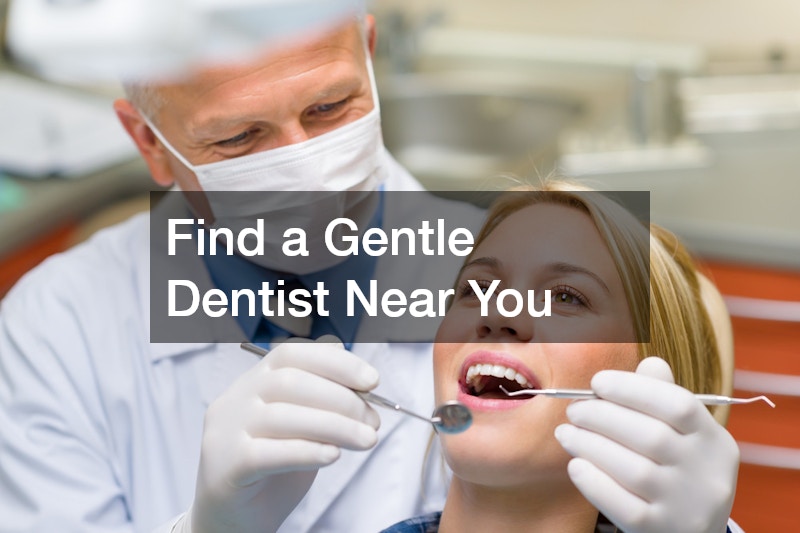
A great provider takes the time to sit down with you before any equipment is even turned on. They ask about your fears, listen without interrupting, and validate your feelings. They explain procedures step-by-step in clear, accessible terms, ensuring you know exactly what to expect before anything happens.
Patient Empowerment and Control Signals
Compassionate care means giving power back to the patient. A supportive team will establish a simple signal, like raising your hand, that means stop immediately. Knowing that you can freeze the procedure at any second gives you immense psychological relief and helps lower your baseline anxiety.
Practical Steps to Find the Right Practice
Locating a supportive provider takes a little bit of research, but taking these steps will ensure you land in a safe, welcoming environment.
Read Online Reviews with Care
When searching for a local dentist, read through patient reviews specifically looking for mentions of gentle care, patient empathy, and anxiety management. Patients who used to suffer from severe fear often leave detailed reviews explaining how a particular practice helped them feel safe.
Schedule a Consultation-Only Visit
You do not have to jump straight into a full exam or cleaning on your first visit. Call the office and ask to book a consultation to speak with the practitioner and tour the facility. This initial visit allows you to gauge the environment, meet the staff, and see if you feel comfortable without the pressure of an immediate procedure.
Ask About Comfort Amenities and Sedation Options
Modern practices offer a wide range of options designed to soothe nervous patients, ranging from simple comfort measures like noise-canceling headphones and warm blankets to sedation options like nitrous oxide or oral sedatives. Inquiring about these options upfront gives you a clear picture of how dedicated the office is to patient comfort.
Taking the First Step Toward Comfortable Care
Overcoming anxiety is a gradual process, and finding a partner who respects your pace makes all the difference. You deserve quality healthcare provided in an environment where you feel safe, heard, and respected. By taking time to research local practices, communicate your boundaries, and choose a empathetic dentist, you can protect your health and leave dental fear behind for good.

Related Posts
Modern Equipment and Tech Solutions for Dental Practices
The modern dental landscape is undergoing a massive transformation, driven by incredible advancements in clinical technology, specialized equipment, and state-of-the-art facility design. Today, running a successful dental practice…
What Are the Different Kinds of Dental Implants?
Dental implants are a common option for replacing missing teeth and restoring function to a person’s smile. Unlike removable dentures, implants are designed to become a stable part…
Dentures for Restoring Function and Confidence
Dentures are removable dental appliances designed to replace missing teeth and restore both function and appearance. They are custom-made to fit the shape of a patient’s mouth and…
What are the Services Offered by a Preventive Dentist?
Oral health is about much more than treating cavities or fixing damaged teeth. A preventive dentist focuses on stopping dental problems before they start or catching them early…
What are some Cosmetic Procedures Offered by a Dentist
What Are Some Cosmetic Procedures Offered by a Dentist? A healthy smile plays a major role in confidence, first impressions, and overall self-esteem. While many people associate a…

Top Benefits of Invisalign for Teens and Adults
Top Benefits of Invisalign for Teens and Adults In the world of orthodontics, Invisalign has become a popular choice for both teens and adults seeking a perfected smile….